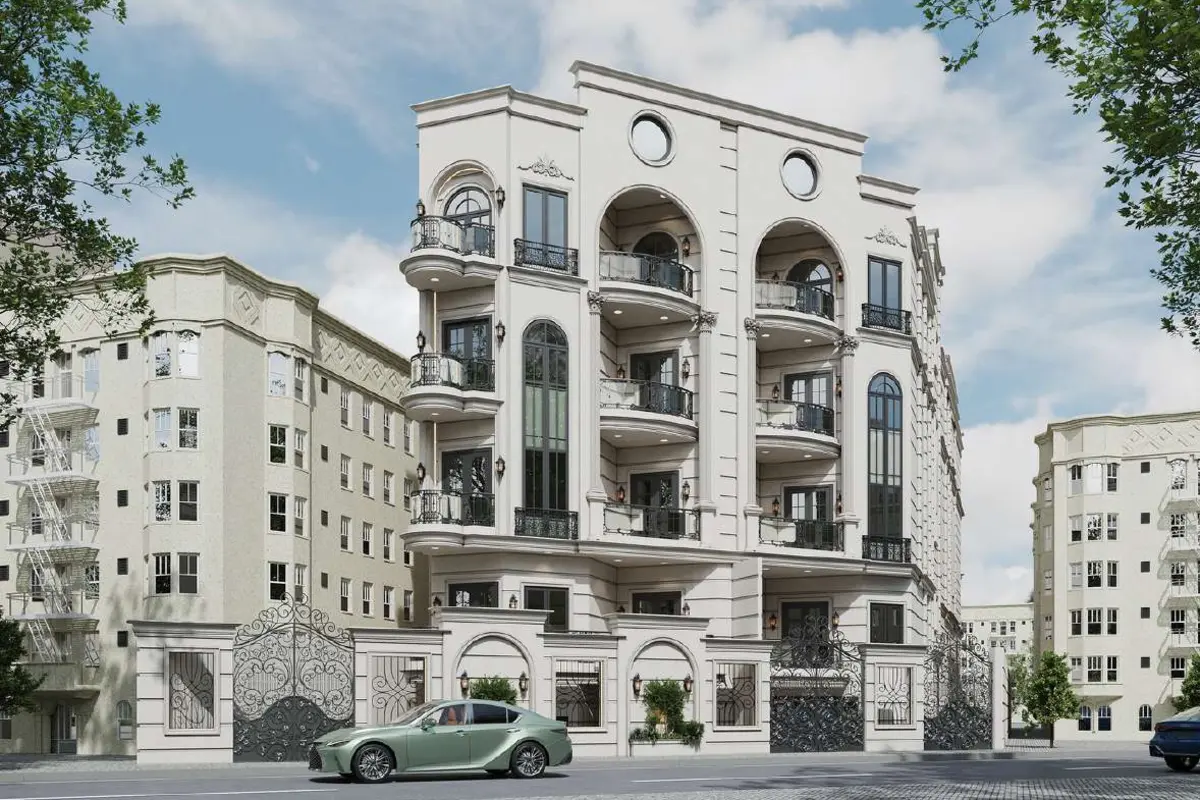

Short answer: is it profitable to invest in commercial real estate
Investing in commercial real estate can be profitable when the unit is in a location that serves a clear demand, its total price is proportional to the achievable rent, its costs and operating conditions are known before contracting. But the return is not guaranteed; periods of vacancy, poor mobility, high fit-out and maintenance, or the choice of an inappropriate activity can reduce profitability. The net return after expenses should therefore be compared, not the rent or the expected price increase alone.
Methodology of preparation of investment guide in commercial real estate
This article is intended as an awareness-raising framework for comparison, not a recommendation to buy a specific unit or a promise of a return. The assessment is based on five interrelated layers: the strength of demand at the site, the suitability of the unit for the activity, the total cost, net cash flow, legal, technical and operational risks.
- Separation of shops, offices, clinics, stores, because each type has a different audience and demand engines.
- The use of units that are comparable in terms of location, Area, floor, frontage, use and stage of implementation.
- Calculate the return after deducting the vacancy, maintenance, management, fit-out, financing, taxes or fees due.
- Review the permitted activity, project documents, delivery, assignment and operation items.
- Presenting the projects of the Mahawer as examples that can be studied, while clarifying that the article does not represent an independent assessment of all market projects.
What is investing in commercial real estate
Investing in commercial real estate is the purchase or possession of a unit used to carry out an economic or professional activity with the aim of generating income from renting, operating an activity, or reselling the unit in the future. This includes shops, offices, clinics, administrative units, warehouses, commercial centers and mixed-use projects.
Commercial real estate differs from residential real estate in that the demand for it is related to the ability of the site to support an activity or service, and not just to the need for housing. The success of a shop needs customer traffic and a clear interface, the success of an office needs a work environment and organized access, while the clinic needs a population density, ease of access and specifications that correspond to medical use.
Direct investment versus operating activity
The investor may buy the unit to lease it to an activity owner, and may purchase it to operate his project himself. In the first case, feasibility is measured by rent, vacancy and tenant quality, but in the second case, the profit of the business should be separated from the value of the property itself, since the success of the operational project does not automatically mean that the unit purchase price was appropriate.
Types of commercial real estate and the most important criteria for choosing each type
The use of the term "commercial real estate" in general may lead to a comparison of dissimilar units. The store, office, clinic and warehouse differ in the source of demand, the cost of fit-out, the nature of the tenant, the ease of resale.
| Unit Type | Source of Demand | The most important success factors | Key Risks |
|---|---|---|---|
| Retail Unit | Residents, visitors and daily customers | frontage, floor, movement, parking, type of activity, accessibility | Poor mobility, inappropriate activity, high competition, long vacancy |
| Administrative office | Companies, entrepreneurs and service providers | Address, entrances, elevators, communications, parking, building management | Weak administrative demand or incomplete operation of the project |
| Medical clinic | Doctors and health care providers | Population density, access, elevators, privacy, permitted activity | The cost of fit-out, licensing and the unsuitability of the site for patients |
| Warehouse or Storage Unit | Trade, distribution and supply chains | Methods of Transportation, loading, elevations, electricity, safety, legal use | Impractical location, operating restrictions, insurance and maintenance costs |
| A unit within a mixed-use project | The combination of residents, visitors, staff and patients | Operation, tenant mix, distribution of floors, Plaza, management, parking | The dependence of performance on the success of the entire operation of the project |
Commercial shops
Shops are suitable for activities that need direct appearance and movement, such as pharmacies, shops, restaurants and daily services. A shop should not be evaluated on the basis of space alone; a smaller unit in front of an active entrance may be stronger than a large unit inside a low-traffic lane.
Office Units
The office tenant is looking for a professional address, easy access, elevators, communications, parking and organized management. The flexibility of zoning may be an important element because it allows the space to be used by more than one type of company and professional services.
Medical Clinics
The clinic requires studying the population density, existing medical services, ease of access of patients, as well as ascertaining the permitted activity and equipment requirements. A guide can be found Clinics for sale in New Damietta When comparing medical units within the city.
The units are versatile
Mixed-use projects may benefit from the integration of the movement of shops, offices and clinics, but this integration is not achieved by simply having more than one unit type; it needs functional distribution, management and operation that attract users and prevent conflicts of activities.
Commercial or residential investment: which is more suitable for you
Commercial real estate cannot be considered absolutely better than residential. A commercial may provide a higher potential income in a strong position, but it needs deeper operational study and may be exposed to longer vacancies. Residential addresses a basic need and a wider base of tenants, but it may bring a lower return or require frequent management of tenants.
| Comparison Factor | Commercial real estate | Residential property |
|---|---|---|
| Source of Demand | Commercial, administrative or medical activity | Housing for individuals and families |
| Potential income | It may be higher on active sites | It may be more regular in the required residential areas |
| Vacancy | It may be prolonged if the activity or location is inappropriate | It may be shorter when there is a wide housing demand |
| Fit-out | It may be specialized and high-cost | Relatively simpler in many cases |
| Management | Related to project operations, tenant quality, and business activity. | Related to unit status, tenant and maintenance |
| The right investor | Who can analyze the activity, market and vacancy tolerance | Who prefers a wider housing demand and simpler management |
To expand on this comparison without repeating the details within this guide, read the article The difference between residential and commercial real estate for investment.
Advantages and risks of investing in commercial real estate
Possible features
- Rental Income: A leased unit can provide recurring cash flow when there is a suitable tenant and a clear contract.
- Longer Leases in Some Activities: A business owner may prefer stability to avoid relocation and refit costs.
- Benefit from Growth in Services: Population or business growth may increase demand for shops, offices, and clinics.
- Resale Potential: A unit with a clear location and permitted use may attract an investor or end user.
- Portfolio Diversification: Commercial property can add an income source different from residential or financial assets.
The main risks
- Vacancy: Rental income stops while maintenance costs, fees, and installments continue.
- Weak Demand for the Activity: A location may be busy, but its foot traffic may not belong to the target audience for the intended business.
- Fit-out Costs: The unit may require costly electrical works, ventilation, frontage improvements, or internal partitions.
- Dependence on Project Operations: The unit may be affected by weak management, an unsuitable tenant mix, or delayed opening.
- Difficulty Exiting the Investment: A sale may require time, a discount, or assignment fees, especially before handover.
- Legal Risks: An unpermitted activity or unclear documents may delay operations or the transfer of ownership.
You can review the manual Real estate investment risks and how to reduce them To understand the general risks that extend to residential and commercial units.
When is it appropriate to invest in commercial real estate
This type is closer to your needs when you can analyze the location, activity and costs, have a financial reserve that allows to withstand a period without rent, and do not count on a quick sale or a guaranteed return.
- You have a clear goal: lease, run an activity, or keep and resell.
- You may pay the obligations even if the delivery or leasing is delayed.
- You have reliable data on rents, completed transactions, and competing units.
- Understand the requirements of the activity that the unit will serve.
- You can review the contract and documents by independent specialists.
- You can keep the unit for a suitable duration without liquidity pressure.
When it may not be appropriate
Commercial real estate may not be suitable if you need your money within a short period, rely on rent to pay the installment from the first month, do not have a budget for equipment and maintenance, buy a specialized unit without understanding the activity, base the decision on the promise of a stable return that is not supported by contracts or verifiable operating data.
How does an investor make a profit from commercial real estate
Rental Income
It is the rent that the tenant pays for the use of the unit. A distinction must be made between the rent written in the declaration and the rent that can actually be contracted, and then deduct the periods of vacancy and expenses incurred by the owner.
Increased value at resale
The value of the unit may increase due to the progress of implementation, operation of the project or increased demand, but this increase turns into profit only upon completion of the sale after deducting fees, cost, Commission, financing, inflation and the cost of holding.
Running activity
The owner benefits from using the unit in his activity instead of paying rent, but the property must be evaluated independently of the profits of the activity. The activity may be successful while the unit is high-priced, or the unit may be good while the activity fails due to management.
Improving the unit or changing the tenant
A better interface, a practical division or a strong tenant may help to raise income and value. But any modification must comply with the stipulations and the contract and its cost be refundable from the expected additional income.
How to evaluate the location of the project and the business unit
The commercial location is measured not only by the name of the city or the road, but by the quality of access, the type of movement, the audience, the parking, the location of the unit within the project. Real estate valuation methodologies recommend the use of modern and verifiable comparative evidence taking into account the differences between units.
Assessment of the surrounding area
- The number of residents, employees or visitors within the scope of the service.
- Existing services and activities, not just planned.
- Travel time during working hours and peak periods.
- The size of the competition and the new spaces expected to be delivered.
- The nature of purchasing power and the actual needs of the public.
Project evaluation
- Distribute activities and roles and prevent conflicts between them.
- The number of entrances, elevators, parking and service paths.
- Management, operation and marketing plan after delivery.
- visibility of the corresponding maintenance and service fees.
- The implementation stage and the verifiable occupancy or reservation percentage.
Evaluation of the unit within the project
- The floor, frontage, visibility of doorways and the path of movement.
- Net area, zoning, elevations and utilities.
- Proximity to elevators, stairs, parking and loading areas.
- Permissible activity and requirements for ventilation, drainage and electricity.
- The ability of the unit to serve more than one potential tenant without costly modifications.
See the manual Choosing the location of the property For a wider list to examine the street, neighborhood and infrastructure.
How to calculate the return on investment in commercial real estate
It is not enough to divide the annual rent by the purchase price; because this calculation ignores the equipment, vacancy, maintenance, fees and financing. The most accurate is to calculate the gross yield first, and then the net yield.
Total return
Annual gross return = total annual rent ÷ total investment cost × 100
Net return
Annual net return = annual net income ÷ total investment cost × 100
The total investment cost includes the final purchase price, finishing and processing, contracting and maintenance fees, commissions, financing cost, and any expenses necessary to make the unit rentable or operable.
The annual net income is equal to the rent collected after deduction of vacancy, maintenance and administration, repairs, marketing, fees or taxes incurred by the owner.
A hypothetical example for illustration
| Item | Default value |
|---|---|
| Unit purchase price | 3,000,000 EGP |
| Finishing, fit-out and painting | 450,000 EGP |
| Total investment cost | 3,450,000 EGP |
| Gross annual rent | 384,000 EGP |
| Vacancy, maintenance, management and repairs | 72,000 EGP |
| Annual net income | 312,000 EGP |
| Approximate net return | About 9.0% according to the assumptions of the example |
This example is for educational purposes and does not represent a guaranteed price or return for any project. Returns should be tested under three scenarios: a conservative scenario assuming lower rent and a longer vacancy period, a base scenario based on the closest market comparables, and an optimistic scenario that should not be used alone to assess repayment capacity.
For a more detailed explanation of the calculations, read the article The return from commercial real estate and the method of its calculation.
The commercial property is ready or under construction
The ready-made property allows to preview the unit, project, movement and services, and may allow the start of processing and leasing within a shorter time. But it may be higher priced or need more liquidity, and its technical condition, documents and actual occupancy should also be checked.
As for the property under construction, it may offer a lower entry price or a longer payment plan and a wider choice, but it carries risks associated with the delivery date, the quality of execution and the operation of the project. Also, the investor does not receive rental income before receiving, processing and finding a tenant.
You can review the manual The property is ready and not under construction For a detailed comparison of the two options.
How to start investing in commercial real estate in 10 steps
- Define Your Goal: Do you want rental income, to operate a business, to resell the unit, or to hold it for the long term?
- Set the Full Budget: Calculate the purchase price, fit-out costs, maintenance, fees, financing costs, and an emergency reserve.
- Choose the Unit Type: Select a retail unit, office, clinic, or warehouse based on your experience and the source of demand.
- Identify the Potential Tenant or User: Do not buy before determining who needs the unit and why.
- Study the Location: Examine foot traffic, accessibility, parking, services, and competition at different times.
- Compare Similar Units: Use several recent comparables based on location, unit size, floor, and permitted use.
- Calculate Cash Flow: Deduct vacancy, expenses, and installments from the expected income.
- Review the Project and Developer: Examine the documents, track record, construction progress, and operating plan.
- Review the Contract: Check the handover date, finishing specifications, maintenance fees, assignment terms, permitted activity, cancellation terms, and provisions for delays.
- Create an Exit Plan: Review the sale or assignment terms, applicable fees, and the time it may take to find a buyer.
What should be checked legally and technically before buying a commercial property
Legal examination
- The identity of the contractor, the description of its representative and the right to sell or develop the unit.
- Land title documents or allotment, licenses and approvals appropriate to the project stage.
- The type of Use and activity allowed within the unit and the building.
- Description of the unit, its area, location, floor, frontage and specifications.
- The final price, payment schedule, maintenance fees, assignment and registration.
- Delivery date and the consequences of delay, change of specifications or cancellation.
- The dispute resolution mechanism, the law and the Competent Authority of the contract.
Technical and operational inspection
- Actual area, load ratio, partition and net height.
- The capacity of electricity, ventilation, drainage and water according to the activity.
- Entrances, elevators, stairs, evacuation paths, services.
- Parking, loading, storage and disabled access when needed.
- The condition of the facade, insulation, utilities and common areas.
- Project management plan, operating hours, rules for billboards and announcements.
The real estate inspection manuals confirm the importance of requesting legal papers, engineering licenses and hiring an independent lawyer and engineer before buying. Marketing materials or statements of a sales representative are not a substitute for a contract, documents and examination.
Investing in commercial real estate in New Damietta
New Damietta includes residential, service, industrial, tourist and recreational areas, located on the Mediterranean coast near the port of Damietta. This diversity can support the demand for services, shops, offices and clinics, but it does not automatically make every business unit a successful opportunity.
When studying an intra-city unit, the neighborhood, street, project and target audience should be determined. A shop may need to serve a daily population, while a clinic needs population density and convenient access, and an office needs an organized address and proximity to business and service areas.
To expand on the characteristics of the domestic market without repeating this article, see the guide Real estate investment in New Damietta And a page retail units in New Damietta.
Examples of Commercial and Mixed-Use Projects by Mahawer
Mahawer Developments Projects offers residential, commercial, office, and medical units in New Damietta. The following projects are presented as examples for comparison and should not be treated as recommendations suitable for every investor.
Tuvalu Mall
Tuvalu Mall is a mixed-use project in the Coastal District of New Damietta, featuring commercial, office, and medical units. When evaluating a unit in the project, compare its floor, frontage, size, permitted activity, proximity to entrances, the plaza, and elevators, along with the latest price, payment plan, handover date, and operating conditions.
ONE by Mahawer
The ONE by Mahawer is a mixed-use destination in Central District C on Stadium Road, featuring commercial, office, and residential units. When evaluating a commercial or office unit in the project, assess the surrounding target market, foot traffic, location within the project, and suitability for the intended activity.
Commercial Disclosure: This content is published by Mahawer Real Estate Development and includes links to the company’s projects. Therefore, the article does not represent an independent assessment of all market alternatives and does not guarantee profit, occupancy, or value appreciation. Compare the projects with other alternatives and obtain independent legal, technical, and financial reviews before signing a contract.
Common mistakes that reduce the success of business investment
- The purchase is due to a discount or a reduced advance without calculating the total installment price.
- The use of declared rent instead of rent verifiable transactions or contracts.
- Ignore the periods of vacancy, fit-out, maintenance and management.
- Choose a shop based on the density of cars without analyzing the type of customers and pedestrian traffic.
- Buy a clinic or office without confirming the permitted activity and operating requirements.
- Comparing the price per square meter of an interior unit with that of a main-frontage unit on a different floor and with a different foot-traffic pattern.
- Count on the operation of the future project without a clear plan or schedule.
- Sign before checking the land documents, the project and the contract.
- Build installments on the optimistic scenario or the assumption of leasing immediately upon receipt.
- Ignore the terms and fees of assignment and resale before delivery.
- Use most of the liquidity in one unit without an emergency reserve.
- Consider a paper price increase as a profit before completing the sale and deducting costs.
A checklist before booking a commercial, administrative or medical unit
- Have you set an investment goal and retention period
- Who is the tenant or potential user of the unit
- Are there any rental or sale transactions for similar units
- Have you tested the site on different hours and days
- Is the facade, entrances and parking suitable for the activity
- Is the requested activity legally and contractually permitted
- Is the net area, zoning and utilities suitable
- Have you calculated the final price, fit-out, maintenance and fees
- Have you added a vacancy period and unforeseen expenses to the account
- Can you repay the obligations if the rental is delayed
- Have you checked the identity of the developer, his right to the project and his previous work
- Has an independent lawyer reviewed the contract and documents
- Has the engineer checked the unit or the implementation ratios and specifications
- Do you know the terms and fees of assignment and resale
- Do you have an exit plan and a liquidity reserve
Sources, audit methodology and disclosure
The article was based on official and professional information about New Damietta, property inspection, title-deed verification, and the use of comparable evidence in valuation, as well as the official pages of Mahawer projects. Marketing claims were reviewed to avoid presenting returns or value appreciation as guaranteed outcomes.
- New Urban Communities Authority: Damietta new city information
- RICS: comparative evidence in real estate valuation
- Egypt real estate official platform: checking the property before buying
- Egypt's official real estate platform: verification of title deeds
- Official Tuvalu Mall Page on the Mahawer Website
- The official ONE project page on mahawer website
Professional Notice: This information is provided for general awareness and does not constitute legal, engineering, financial, or tax advice or an official property valuation. Prices, availability, returns, expenses, and contract terms vary according to the project, unit, and timing. Review the latest written information and consult independent specialists before making a purchase decision.
Conclusion
Investing in commercial real estate does not start from the search for the highest rent or the longest payment plan, but from understanding the demand that the unit will serve. The store needs an audience and movement, the office needs a business environment, the clinic needs access and appropriate services, while each type needs an entry price, cost, equipment and contract that corresponds to the possible return achieved.
Before buying, Compare Real units, calculate the net yield in a conservative scenario, examine the site, project, developer and documents, select an exit plan and a financial reserve. A good unit is not the most expensive or the most popular, but the one that remains operable, rentable or saleable without imposing on you risks or obligations beyond your ability.
Frequently asked questions about investing in commercial real estate
Is it better to invest in commercial real estate than residential
Not absolutely. A commercial may bring a higher income in a strong position, but he needs to study the activity and operation and may be exposed to longer vacancies. Residential addresses wider demand in many areas and may be easier to manage and re-lease.
What is the best type of commercial property for investment
The best type is the one that serves a real demand and can be operated or rented at a price that covers its cost and risks. The shop fits the traffic locations, the office fits the business environment, and the clinic needs density, medical services and convenient access.
How to calculate the return from commercial real estate
Calculate the annual net income after deducting the vacancy, maintenance, management and repairs, then divide by the total cost of purchase, processing, fees and financing, multiply the output by 100.
What is a good percentage of return in commercial real estate
There is no single ratio that works for all units. The net return should be compared with similar real estate on the same site, by the degree of risk, liquidity, waiting time and cost, and not to judge the investment from a declared percentage without knowing the method of its calculation.
What is the most important factor in choosing a store
The key factor is whether the location suits an in-demand activity. This includes the customer profile, pedestrian and vehicle traffic, frontage, entrances, parking, and competition. Heavy traffic alone is not enough if it does not represent the target audience.
Is it suitable to buy a commercial unit under construction
It may be appropriate if the developer, the project, the contract and the price are good, and the investor is able to wait and endure the delay. But it does not bring income before delivery, processing and leasing, and the terms of assignment and operation must be reviewed.
What costs should be added to the unit price
They may include finishing, processing, maintenance, management, commissions, legal fees, registration, financing, marketing, repairs, vacancy periods. Therefore, neither the down payment nor the purchase price alone is used when calculating the yield.
How to reduce the risks of business investment
Choose an in-demand activity and a location that supports it, compare similar units, calculate a conservative scenario, review the contract and documents from both legal and technical perspectives, maintain an emergency cash reserve, and determine the exit terms before buying.
Can the commercial unit be resold before receipt
This may be possible depending on the project contract and the developer's policy, but it may require paying a certain percentage or obtaining consent and paying a waiver fee. These terms must be reviewed before booking.
Are there guaranteed returns in commercial real estate
There is generally no guaranteed return. Income is influenced by location, activity, tenant, operation, vacancy, expenses, market and delivery time. Any promise of a return must have its contractual and financial basis independently examined.