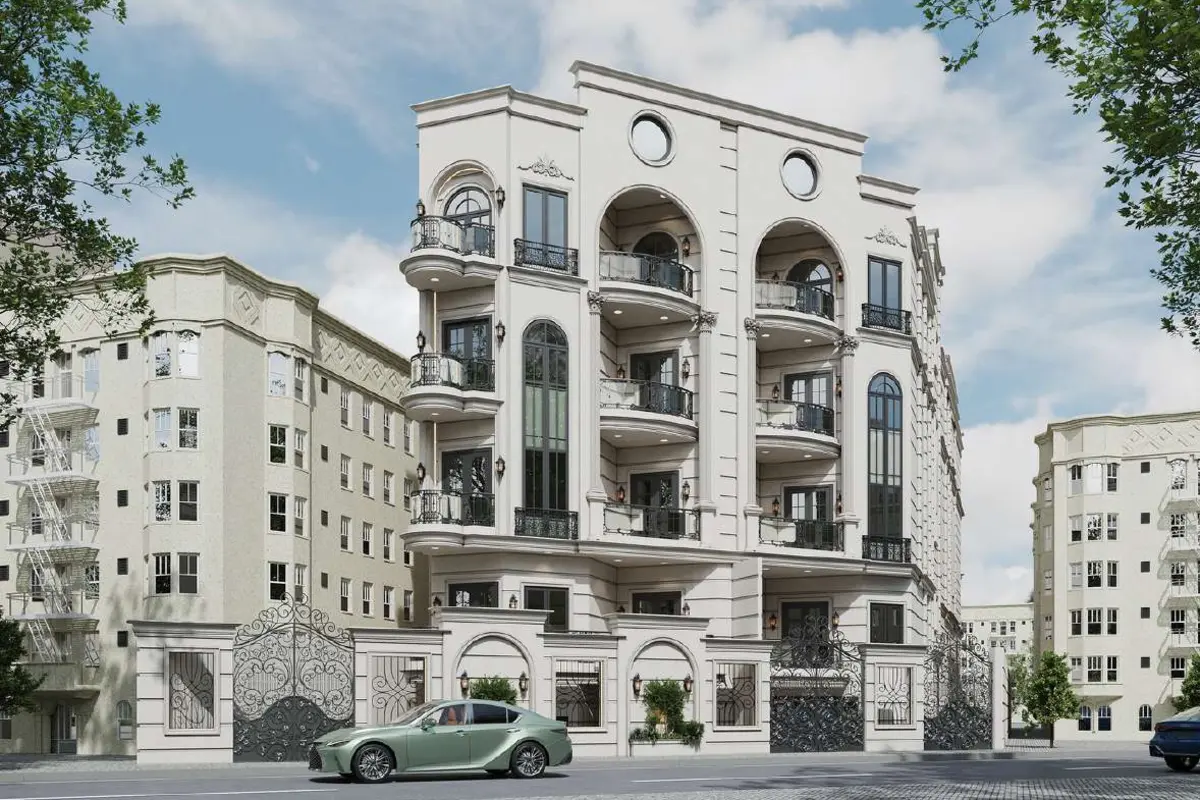

Quick Answer: Main Frontage or Plaza?
Choose Main Frontage When the activity depends on direct access, the street, the quick transactions, or the attraction of customers from outside the project. and choose Plaza When the activity depends on pedestrian traffic, sessions, browsing, and how long the visitor stays within the project. There is no rule that one of them is always higher. The best is the location that achieves a balance between activity, quality of movement, clarity, operation, and price.
What Is the Difference Between a Main-Frontage Shop and a Plaza-Facing Shop?
| Factor | Main Frontage | Plaza |
|---|---|---|
| Source of Customer Traffic | Street traffic, cars, pedestrians, and customers arriving directly at the project. | Pedestrians moving within the project and between different activities. |
| Traffic Speed | Traffic may be faster, especially along roads and major vehicle routes. | Often slower where seating or gathering areas are available. |
| Customer Exposure Time | It depends on traffic speed and the viewing angle. | It may be longer when customers browse, wait, or sit nearby. |
| Access | Access may be direct when parking and a nearby entrance are available. | Access depends on entering the project and reaching the plaza. |
| Suitable Activities | Quick-service businesses, pharmacies, telecom services, and takeaway concepts. | Restaurants, cafés, confectionery, and retail concepts that benefit from browsing. |
| Pricing | There may be a price premium for stronger visibility and access. | Value may increase near gathering areas and major pedestrian routes. |
The real distinction is not simply between an external and an internal location, but how customers see the unit, why they pass in front of it, and whether they can stop and enter easily..
Which Offers Better Store Visibility: Main Frontage or Plaza?
Main-frontage units may be visible from a greater distance, especially when they face a clear street and are not obstructed by structural elements or signage. However, seeing a shop from a car does not necessarily mean customers can access it or stop nearby easily.
As for the plaza, the vision depends on the position of the unit within the arena: is it facing an entry point? Are you located between two buildings or on a main track? Are there sessions or attractions in front of it? The unit on a wide plaza at a far corner may be weaker than a smaller internal unit on a natural pedestrian path.
Check Visibility from Three Key Points
- From a distance before reaching the unit.
- From the nearest entrance or transition point.
- From both main directions of footfall.
How Does Customer Flow Differ Between Main Frontage and Plaza?
| Traffic Type | Main Frontage | Plaza |
|---|---|---|
| Cars | An important factor for visibility and access. | Less influential within the plaza. |
| Pedestrian Traffic | Depends on the sidewalk, parking and entrance. | A major potential source of value. |
| Planned Purchase | It may suit quick-service and destination-based businesses. | It can be strong when the plaza itself acts as a destination within the project. |
| Impulse Purchase | Affected by traffic speed. | It may benefit from browsing and longer dwell time. |
| Peak Traffic | It is influenced by street traffic and entry and exit patterns. | It is influenced by project operations, restaurants, events, and occupancy. |
What matters most is the quality of customer traffic and how well it matches the business type, not simply the number of pedestrians.
How Do Access and Parking Affect the Choice?
When Choosing Main Frontage
- Are parking spaces or a convenient drop-off point available?
- Are entry and exit convenient from the main traffic directions?
- Is access from the garage clear?
- Can deliveries and pickups be handled without disruption?
When Choosing a Plaza-Facing Unit
- What is the distance from the entrance and the garage to the unit?
- Is the plaza active throughout the project's operating hours?
- Is the pedestrian path clear and comfortable?
- Does the unit have the right to use outdoor seating or external space?
Which Is Better for Restaurants and Cafés: Main Frontage or Plaza?
A Main-Frontage Unit May Be More Suitable When:
- The business relies on takeaway or quick pickup.
- A significant share of orders comes from outside the project.
- Delivery is a key part of the operating model.
- Suitable parking, access, and service routes are available.
A Plaza-Facing Unit May Be More Suitable When:
- Revenue depends on seating and customer dwell time.
- There is an outdoor space that can be officially used.
- The plaza connects multiple uses or buildings.
- Complementary activities help create a stronger destination.
At The ONE by Mahawer project, the official page shows an internal plaza that connects the project's elements, including green spaces, water elements and seating areas. In Tuvalu Mall there is an open, advertised plaza with an area of 5,000 m². These are important design elements, but they do not guarantee the movement or sales of a particular unit.
Which is better for retail and daily services?
| Activity | Recommended Location | Reason |
|---|---|---|
| Pharmacy | Main frontage or an easy-access entrance. | Speed and direct access are important. |
| Telecom and Service Businesses | Main frontage or near an entrance. | Customers typically visit intentionally and expect quick service. |
| Fashion and shoes | Plaza, a strong pedestrian route, or highly visible frontage. | Benefits from visibility and browsing. |
| Perfumes and accessories | A strong pedestrian route or stopping point. | Benefits from visibility and impulse purchases. |
| Sweets and gifts | Plaza or near restaurants or entrance. | Depends on the target audience and sales model. |
| Takeaway | Main frontage or a direct access point. | Quick pickup and delivery access. |
These are preliminary operational directions, not fixed rules.
Are Main-Frontage Units More Expensive Than Plaza-Facing Units?
There is no general rule. The price is affected by the project, the floor, the space, the corner, the terrace, the frontage, the payment system and the sales stage. The frontage unit may be more expensive, and the plaza unit at a key pooling point may be higher than an external unit that is less clear.
Location premium = selected unit price − price of a comparable unit in an alternative location
The key question is whether the price premium can be justified by higher rent, stronger operational potential, or faster leasing based on defensible data.
Which Is Easier to Lease or Resell?
Plaza or frontage cannot be described as absolutely easier to rent. The tenant looks at the suitability of the site to its activity, total rent, fit-out, movement, frontage, maintenance and operating hours.
- Flexibility improves when the site serves more than one activity.
- Clear frontage and flexible fit-out options can reduce adaptation costs.
- Rent should be proportionate to the business's potential sales.
- Practical access and service routes can make the unit more suitable for potential tenants.
To analyze the returns and the vacancy, see the guide Return from commercial real estate.
How Do Operational Requirements Affect the Choice Between Main Frontage and Plaza?
- Delivery/service route and service elevator.
- Drainage, water, and electricity.
- Ventilation and kitchen exhaust for food businesses.
- Waste management.
- Access hours for employees and suppliers.
- Rules for terrace and plaza use.
- Signage and façade guidelines.
For main-frontage units, also review parking, noise, and direct access. For plaza-facing units, verify the right to use outdoor space and check plaza operating hours.
How Do Main Frontage and Plaza-Facing Units Compare in The ONE by Mahawer project and Tuvalu Mall?
| Project | Main Frontage / External Traffic | Plaza | What to Check |
|---|---|---|---|
| ONE by Mahawer | Commercial units with frontage on key movement areas and surrounding streets. | An indoor plaza that connects the two project buildings and includes green spaces, water and seating. | Building, floor, frontage orientation, and access route. |
| Tuvalu Mall | The project features an advertised 280-meter main frontage. | An open plaza of 5,000 m² is advertised. | Check the unit's position relative to entrances, the plaza, elevators, corridors, and terrace. |
The ONE by Mahawer project is a mixed-use development combining commercial, administrative, and residential uses, while Tuvalu Mall includes commercial, administrative, and medical uses. These details support architectural and operational comparisons but are not sufficient on their own to predict customer traffic or returns for a specific unit.
Comparison Scorecard: Main Frontage vs. Plaza
| Criteria | What to Evaluate | Score |
|---|---|---|
| Frontage Visibility | The distance and viewing angle. | 1–5 |
| Audience Quality | Fit between the visitor profile and the business. | 1–5 |
| Accessibility | Entrance, parking, pedestrian access, and delivery. | 1–5 |
| Exposure Time | Traffic speed and opportunities to stop. | 1–5 |
| Operational Requirements | Delivery, exhaust, drainage, and utilities. | 1–5 |
| Surrounding Mix | Complementary activities and attractions. | 1–5 |
| Price | Location premium versus alternatives. | 1–5 |
| Rental Flexibility | Number of business types that may benefit from the location. | 1–5 |
How to Choose Between Main Frontage and Plaza Step by Step
- Select the activity form: Fast pass, seating areas, service, or browsing.
- Select the customer: Who is outside the project or from its users, residents and employees?
- Compare two close units: Space, role and payment system as much as possible.
- Test visibility: From the entrance, the street and the pedestrian path.
- See access: Pedestrians, cars, garages and delivery.
- Check the play: delivery access, facilities, terrace and exhaust.
- Calculate the price premium: And don't pay it just for an interface or plaza.
- Check out the floor plan and contract: Trust the unit's direction and usage rights before booking.
To analyze the details of the unit's location inside the mall, such as the entrance, the elevator, the corridor and the floor, see a guide Location of the store inside the mall.
Common Mistakes When Comparing Main Frontage and Plaza
- Assuming that main frontage is automatically more expensive or better.
- Assuming that a plaza guarantees customer traffic simply because seating areas appear in the design.
- Comparing price per square meter without considering fit-out and operational requirements.
- Ignoring frontage orientation and the speed of vehicle or pedestrian traffic.
- Treating projected traffic in an under-construction project as if it were actual traffic.
- Failing to verify the right to use a terrace or outdoor space.
- Choosing a premium location for a business that does not benefit from that feature.
- Ignoring maintenance costs and vacancy when evaluating feasibility.
Article Methodology and Commercial Disclosure
Prepare the article to compare Main Frontage vs. Plaza Specifically, not to fully evaluate the mall, choose the space of the shop, or calculate the return in detail. The focus is on the vision, the type of movement, the access, the operation, and the location premium.
Methodology Update: Claims suggesting that plaza-facing units are always easier to lease or that main-frontage units always command higher prices or returns were removed. Design characteristics were also separated from actual commercial performance.
Commercial Disclosure: This article is published by Mahawer Developments and uses The ONE by Mahawer and Tuvalu Mall as examples from the company's portfolio. It therefore does not represent an independent comparison of all commercial developments in the Egyptian market.
Content limits: The information does not guarantee customer traffic, sales, occupancy, or returns. Buyers should request the latest floor plan, offer, and contract and assess the unit's suitability for the intended business before purchasing.
Sources and references of the article
Conclusion: When Should You Choose Main Frontage and When Should You Choose a Plaza?
Choose the main frontage When external visibility, quick access and direct orders are essential to the activity. AndChoose the plaza when pedestrian traffic, seating, browsing, and longer customer dwell time matter more.
In both cases, the final decision should be based on the specific position of the unit rather than the general location category. Compare visibility, customer flow, access, operational requirements, and price, then request the latest floor plan and offer before contracting.
Frequently Asked Questions About Main Frontage vs. Plaza
Which Is Better for a Retail Unit: Main Frontage or Plaza?
It depends on the business type. Main-frontage units may offer stronger street visibility and direct access, while plaza-facing units may benefit from pedestrian traffic, seating areas, and browsing behavior.
Are Main-Frontage Shops More Expensive?
Not always. Pricing depends on the project, floor, area, corner position, terrace, payment plan, and sales stage.
Are Plaza-Facing Shops Easier to Lease?
Not necessarily. Leasing potential depends on plaza activity, occupancy, pricing, visibility, operational suitability, and actual demand.
Is a Plaza Better for Restaurants and Cafés?
It may suit businesses that depend on seating and longer dwell time, while main frontage may be more suitable for takeaway, delivery, and quick access.
Does a Large Plaza Guarantee Customer Traffic?
No. Plaza size is a design feature; actual customer traffic depends on occupancy, management, tenant mix, entrances, and visitor behavior.